
with Yuri Frolov
Abstract:
In this interview, Dr. Patrick Alcedo, a professor at York University and an expert in dance ethnography, discusses his research on Philippine folk dance, its role in maintaining cultural identity, and its evolution within the Filipino diaspora in Canada. He also talks about his film A Will to Dream, which will be screened on March 5 at 7pm at York University during Echoes of Southeast Asia: A Film Showcase.
YF: Could you share a bit about your background, research, and education?
PA: I’m Dr. Patrick Alcedo, a professor in the Department of Dance, Theatre, and Performance at York University. I was born and raised in the Philippines and moved to the United States at the age of 24 to pursue my PhD in Dance History and Theory and Dance History at the University of California, Riverside. I specialize in dance ethnography and documentary filmmaking, focusing on Philippine folk dance and its global interpretations. Growing up as a performer of Philippine folk dance has significantly shaped both my academic and artistic pursuits. My work bridges performance, history, and cultural identity.
YF: Fascinating! Could you tell us about your research projects, including your dissertation and later works?
PA: My research has always revolved around Philippine dance as a lens for understanding broader socio-cultural issues. My dissertation focused on the Ati-Atihan Festival, a unique Catholic and Indigenous event in my hometown. I examined this cultural phenomenon to understand the questions of nationalism, gender, and global mimicry. Later, I expanded my studies to Philippine folk dance as a medium for diasporic identity formation. I’ve also conducted research in various communities outside the Philippines, particularly in Canada, where I analyze how cultural performances evolve when practiced by migrant communities. I’ve been fortunate to receive multiple grants, including the Early Researcher Award from the Government of Ontario, which has enabled me to produce and direct more than ten films to date and organize live performances celebrating these cultural expressions.
YF: That’s impressive! What’s an interesting fact about Filipino traditional dance that might surprise people?
PA: It’s incredible diversity. A single performance can showcase Christianized dances, Muslim influences, and Indigenous traditions, with dancers constantly shifting roles and costumes. One moment, a performer embodies a Spanish-influenced Catholic dance, and the next, they are enacting fluid movements from Muslim communities in the southern Philippines. Such rapid transformation not only highlights the Philippines’ rich history but also requires immense cultural sensitivity and respect for the traditions being represented.
YF: The Filipino diaspora is extensive and influential. What insights do you have on its presence in Canada?
PA: Filipinos are among the fastest-growing immigrant communities in Canada, with over a million living here. Migration is driven largely by economic factors, and the country has become a global leader in supplying skilled workers, especially in some healthcare occupations. The Philippines is the world’s top exporter of nurses, and you’ll find Filipino professionals in various sectors. As for my area of expertise, one can find three Philippine folk dance groups in the Greater Toronto Area alone, showing how strongly cultural traditions remain tied to identity even across generations and continents. I have conducted research in various parts of Canada, including Victoria, where I worked with the Bayanihan Center, observing how Filipino Canadians sustain their heritage through music, dance, and community gatherings.
YF: That’s really insightful. Let’s talk about York’s upcoming film showcase. What can you tell us about A Will to Dream?
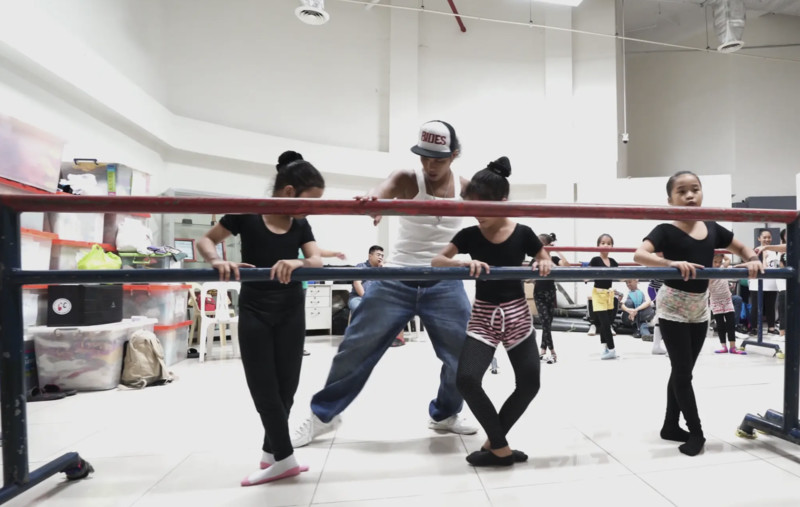
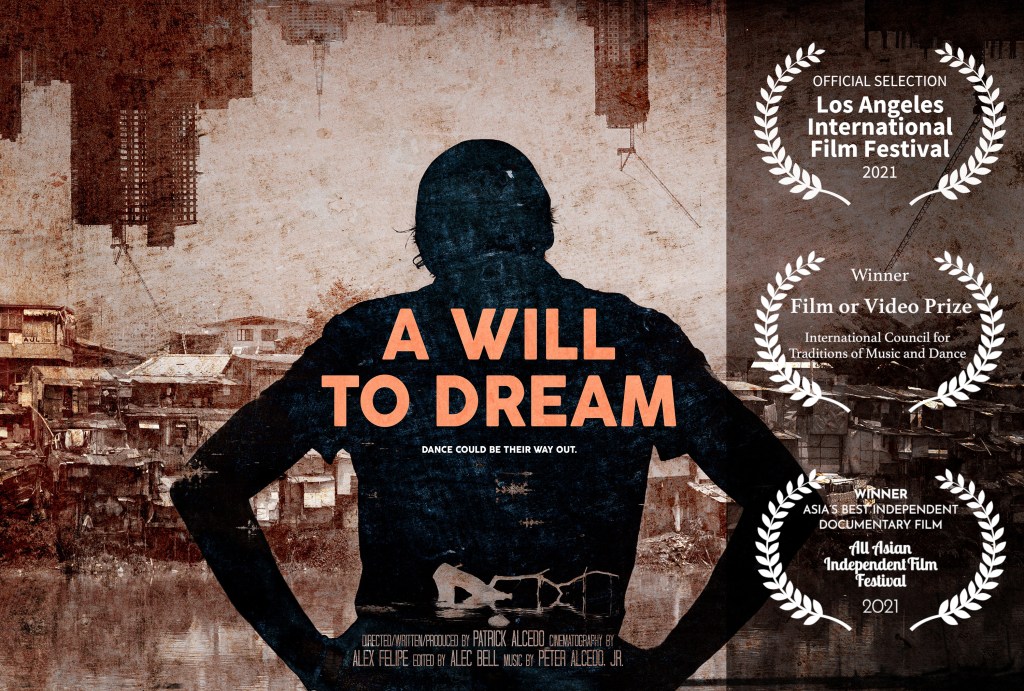
PA: As I’m its director, this project is very personal to me. It took nearly five years to complete, with filming in Manila over multiple visits. The documentary follows Luther, a ballet dancer who gave up his U.S. Green Card to return to the Philippines and teach underprivileged children. His story is a powerful testament to the role of dance as a positive transformative force. The film explores themes of sacrifice, community, and the resilience of the human spirit. It also interweaves the stories of five of his students, illustrating how dance offers an escape from poverty, keeps young people away from vices, and fosters a sense of self-worth and belonging. The title, A Will to Dream, captures the determination of these individuals to pursue their aspirations despite the challenges they face.
YF: What other films will be showcased during the event?
PA: On the first day, a short film will be screened alongside mine. According to its synopsis, the film focuses on “addressing queer and trans friendship in the diaspora, Filipinx masculinities, and everyday enactments of transgenerational care.” It’s a thought-provoking piece that examines gender and relationships within Filipino society. The second day will feature several short films curated from the Toronto Reel Asian International Film Festival, all highlighting complex Southeast Asian identities. These films provide a platform for underrepresented voices and encourage discussions on identity, migration, and belonging.
YF: That sounds incredible. What are some future Southeast Asia-related initiatives at the York Center for Asian Research?
PA: One of our flagship academic initiatives to do Southeast Asia-focused research through our Philippine Studies Group. For example, we are hosting a talk by Filipino journalists who are the recipients of the Marshall McLuhan Fellowship for excellence in journalism. This February 26, 2024 fellow Pia Ranada of Rappler Philippines will give a talk at York titled, “Community Building and Journalism in the Context of AI and Big Tech in the Philippines.” The focus on AI’s and Big Tech’s impact on journalism will be a particularly relevant topic to Philippine Studies and the larger Southeast Asian Studies given the current media landscape. Our Philippine Studies Group is housed at the York Centre for Asian Research. We aim to make this center a hub for Southeast Asian Studies, but a significant challenge is the lack of dedicated study groups for other countries in the region. While the Philippines has an established academic presence, other Southeast Asian nations are underrepresented at York. We hope to broaden our research scope to ensure a more comprehensive representation of the region.
YF: Speaking of challenges, how have funding cuts and restrictions on international students affected your programs?
PA: Unfortunately, some programs, including those affiliated with the York Center for Asian Research, have been temporarily suspended due to financial challenges York University, along with other post-secondary institutions, are facing now. Universities are prioritizing larger programs with higher student numbers, putting programs focused on Southeast Asia and its diaspora at risk. Southeast Asian Studies in Canada are already underfunded, and these cuts make it even more difficult to sustain academic initiatives. One potential solution would be increasing international student enrollment or securing targeted funding, but current policies make this difficult. Without institutional support, Area Studies programs face an uncertain future. We need stronger advocacy for the importance of these programs in fostering global understanding and intercultural dialogue.
YF: That’s concerning, but let’s hope for the best. Thank you for sharing your insights!
PA: Thank you! I appreciate the opportunity to discuss these important topics.
 Canadian Southeast Asian Studies Initiative